Stocking is a lead-time decision. A part caught by a phase-out notice — Siemens’ S7-300 and ET 200M PM410 type cancellations, for example — can turn a routine spare into a 10–39-week wait. Set min-max levels from measured replenishment time, not shelf habit: three buckets beat an alphabetized storeroom.

Which spares should a small plant actually stock?
Take the automation inventory you actually run, and sort every item into three buckets. The first is line-stoppers: components whose failure stops production and whose lead time is longer than your tolerance for downtime. The second is convenience stock: items cheap to hold and slow to fail. The third is everything else, which you purchase on demand. Most plants discover their existing shelf is full of the second bucket and thin on the first, which explains both the cash tied up and the expediting fees.
| Bucket | Test | Strategy | Typical items |
|---|---|---|---|
| Line-stoppers | Failure stops production and replenishment exceeds your downtime tolerance | Own physical stock; power up on a rotation schedule | Critical processors, phased-out I/O families |
| Convenience stock | Cheap to hold, slow to fail | Hold a few, replenish casually | Terminals, fuses, fans |
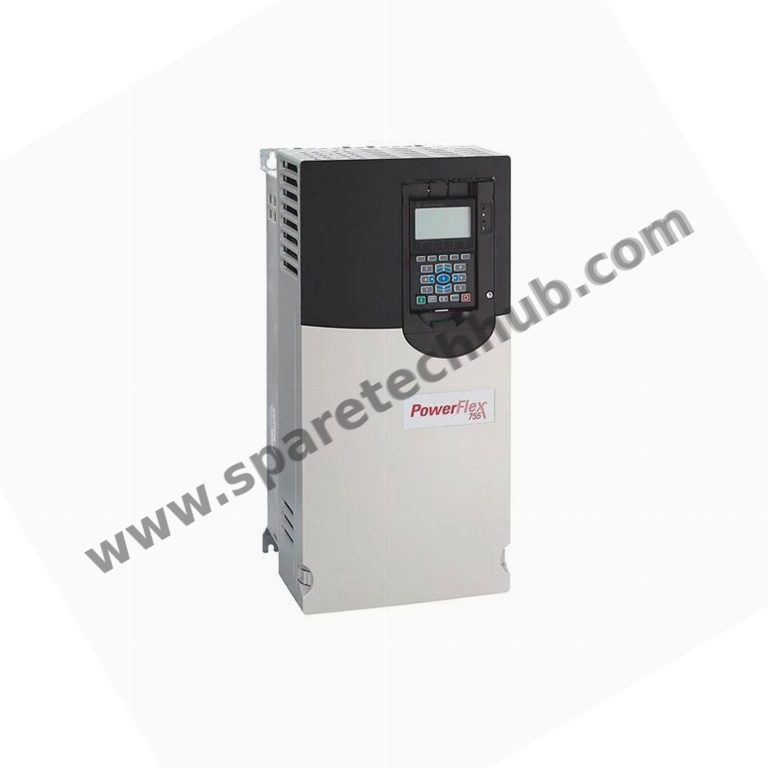
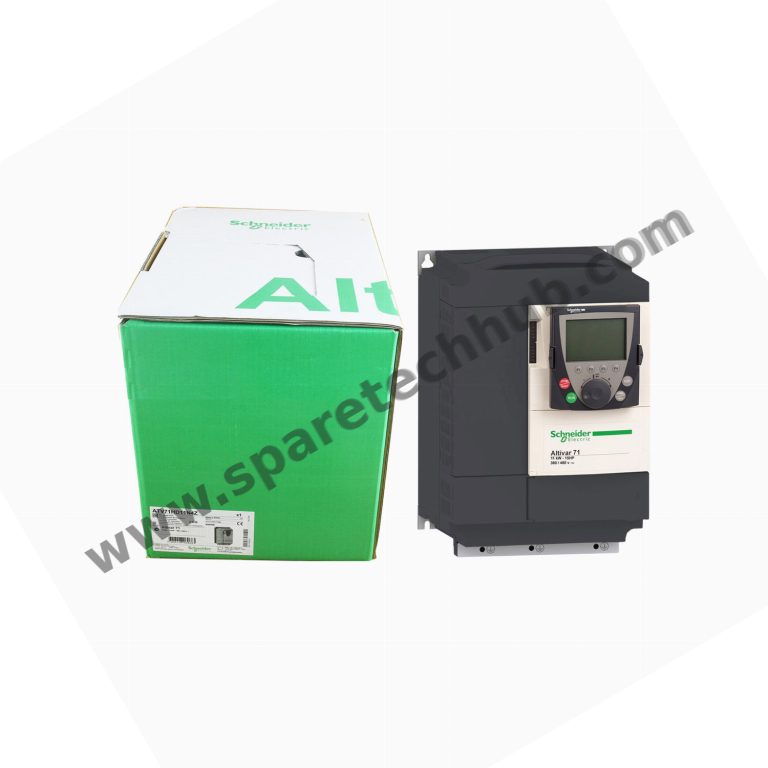
| Everything else | Neither of the above | Buy on demand or cover by supply agreement | Large drives, long-lead sensors |
How do you set min-max levels without guesswork?
For each stop-the-line item, record what a replacement event actually consumed and how long replenishment took. That pair of numbers sets a defensible minimum and maximum. Review the numbers yearly, because firmware-era changes, machine removals, and supplier lead-time shifts all move the right answer. A shelf that is never rebalanced slowly becomes a museum.
Lead time is the input most plants guess at. Our 2026 lead-time analysis puts PLCs at 10–39 weeks and sensors up to 60 weeks in current market conditions — and Siemens’ own phase-out documentation shows why the calendar matters: type cancellations for the S7-300 and ET 200M families are already scheduled. A min-max level set without those two inputs is a guess wearing a spreadsheet.

Store spares like they matter, because they do
Electronics age on shelves: batteries drain, capacitors prefer stable temperatures, packaging collects dust that becomes conductive over time. Rotate battery-backed units, keep cabinets dry and temperature-stable, and power up stored processors and drives on a schedule appropriate to their technology. A spare that does not survive its own storage was inventory, not insurance.
Should you own spares or contract for them?
Owning every critical spare ties up cash and shelf space. For long-lead items with moderate criticality, a defined supply agreement, with response commitments and verified availability, converts capital cost into a procurement promise. The practical split most small plants land on is simple: own the fast-consumption stoppers, contract the slow ones, and know which is which in writing.
If you want a second pair of eyes on the split, send us your equipment list. We will flag which items are worth owning outright and which are better left to an agreement, before your next unplanned stop makes the argument for you.
Frequently asked questions
How do you set min-max levels for PLC spares?
From pairs of measured numbers: what a replacement event consumed, and how long replenishment actually took. Not from supplier quotes or habit.
Which spares should a small plant own versus contract?
Own the fast-consumption line-stoppers; contract the slow-moving long-lead items, with response commitments in writing.
How often should stocking levels be reviewed?
Annually, plus immediately after any phase-out or type-cancellation notice affecting a stocked family — those move lead times faster than consumption does.
Bottom line
A stocking strategy is a decision about which failures you can absorb: hold the parts that stop the line and cover the rest by agreement.