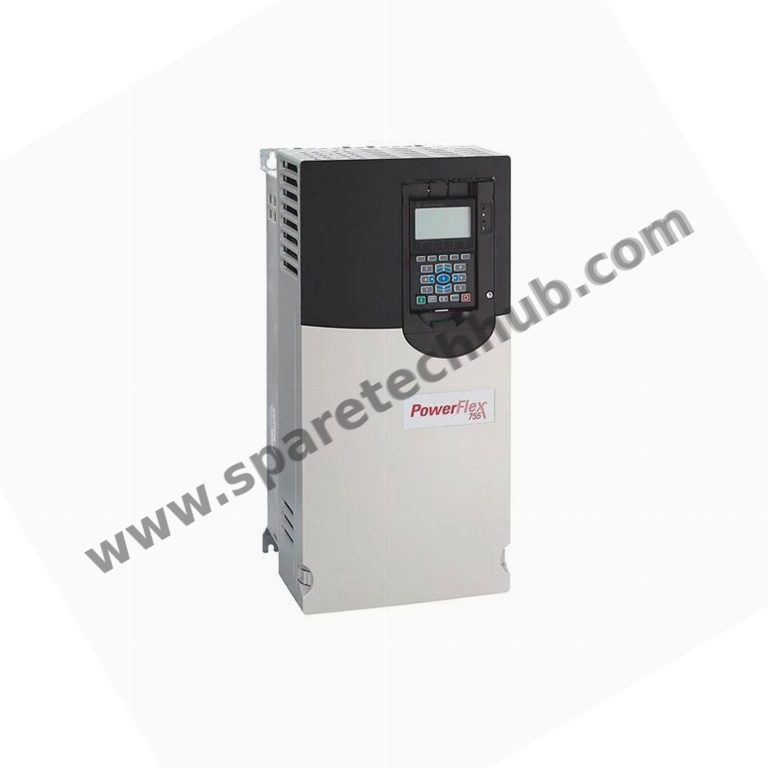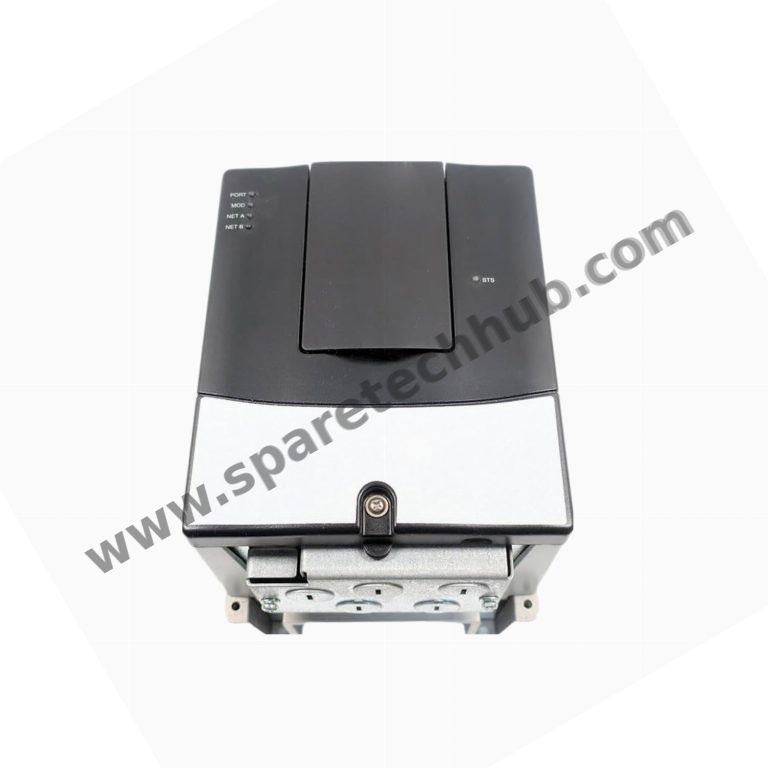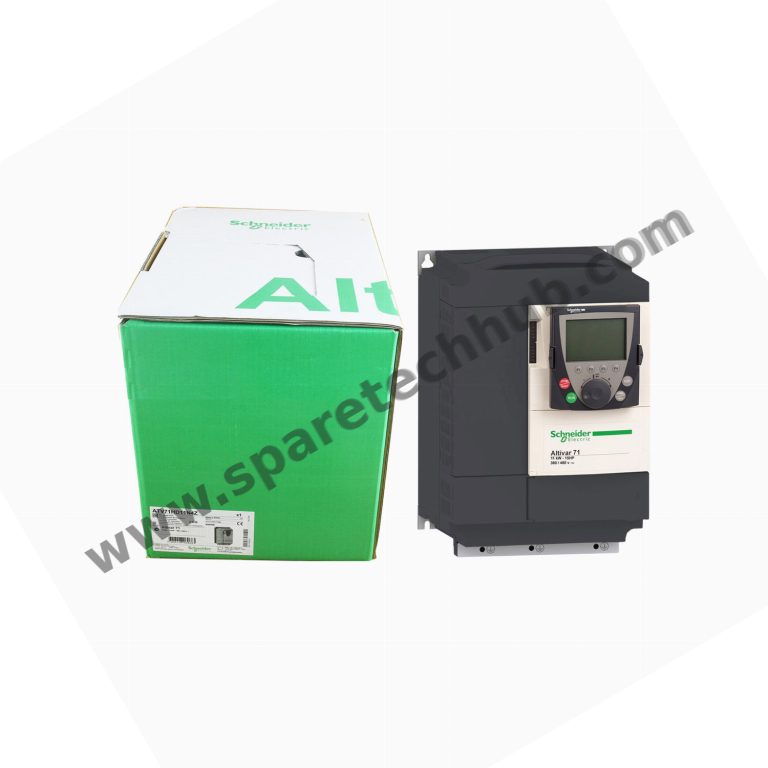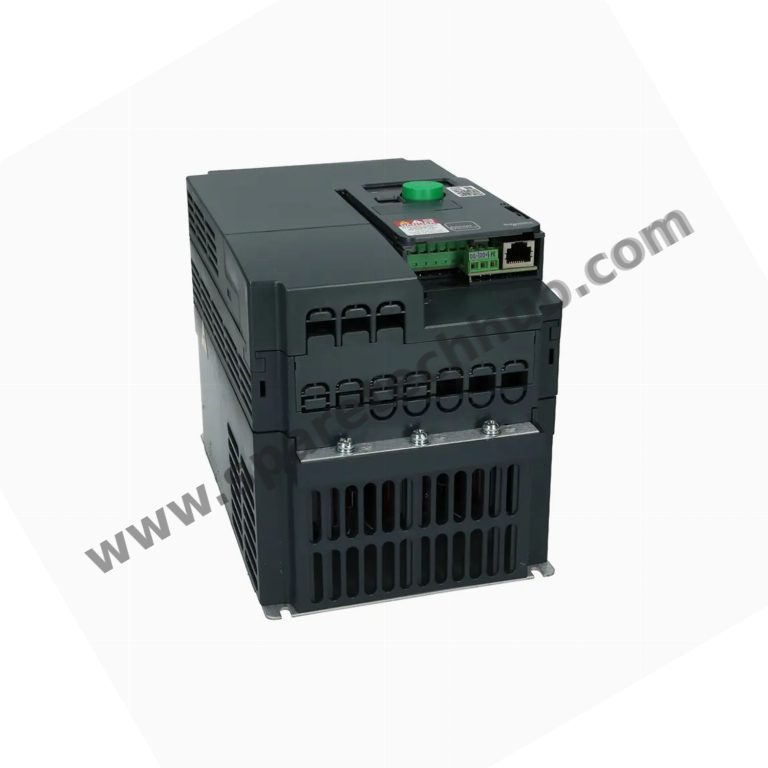
A surplus 1756-L73 has never been powered in service; a refurbished one has been opened, load-tested and resealed. The difference is not cosmetic: Rockwell’s own manual shows that a 1756-BATM battery module fits a series A ControlLogix controller but cannot be used with a series B — one character of history decides which parts fit. Here is how to choose between the two grades on risk, not price.

What does surplus actually mean?
Surplus stock is original equipment that was never energized in service. It may be factory-sealed, or opened box stock from cancelled projects and over-ordering. The electronics are untouched by field conditions, but the unit has no service history at all: shelf time, storage conditions, and battery state are unknown until inspected. Surplus is often the right call for firmware-sensitive processors and for items where you want an unused unit with original packaging.

Shelf time is not neutral for the battery. Rockwell’s schedule shows a 1756-BA1 reaching its low-battery warning in 21 days at 25 °C when the controller is powered off 100% of the time, while a 1756-BA2 rated 3 years at two cycles a day drops to 10 months on a 16 MB project cycled three times. The same schedule treats −25…35 °C as no replacement required but 56–70 °C as an 8-month battery. A surplus unit with an intact seal still carries an unknown clock: ask for the storage temperature and the date code, not just the seal.
What should a refurbished unit include?
A properly refurbished unit has been opened, cleaned, inspected, and function-tested under load or simulated load. Reputable sellers document what was tested: power rails, communication ports, I/O channels, and displays. Cosmetics are graded honestly, worn consumables such as fan assemblies or memory batteries are replaced, and the unit ships with a warranty period that reflects real testing rather than a visual once-over. If a seller cannot describe the test procedure, the label is doing wishful thinking.
Rockwell’s ControlLogix manual (Publication 1756-UM001Q-EN-P) documents the sternest version of this rule: series A controllers ship with a 1756-BA1 battery and series B with a 1756-BA2, and the 1756-BATM extended-life module “can be used with series A controllers, but it cannot be used with series B controllers.” If a revision letter can invalidate a battery order at the OEM level, a refurbisher who cannot tell you the series of the unit they sold you is not done testing.
Handling matters as much as testing: ESD damage is cumulative and invisible, which is why serious refurbishers work to ANSI/ESD S20.20-style controls rather than bench-top improvisation. The 2021 revision of that standard is built around parts rated to survive 100 V human-body-model and 200 V charged-device-model discharge, and it limits isolated conductors to under 35 V — a bench that skips those controls can kill a board with no visible sign. Ask what ESD handling standard the rework line follows (ESD fundamentals) before you ask about the warranty.
When is surplus the safer choice than refurbished?
For a non-critical conveyor drive, a well-tested refurbished unit at a sensible price is a reasonable trade. For the processor that controls a batch sequence with no offline mirror, many plants prefer surplus or new-old-stock to eliminate unknown history. Safety-related hardware deserves the most conservative choice of all, with full documentation of origin and test. The application decides the grade, not the invoice.
| Surplus | Refurbished | |
|---|---|---|
| Service history | Never energized in service | Ran in the field; opened, cleaned, tested, resealed |
| Key unknown | Shelf time, storage conditions, battery state | Test depth and source of replaced parts |
| Must-ask question | Seal intact? Original packaging? | What was tested, with what equipment, and is the warranty replacement or repair? |
| Best fit | Firmware-sensitive processors, safety-related hardware | Non-critical drives and other risk-tolerant components |
Questions that separate serious suppliers from resellers
- What exactly was tested, and with what equipment?
- Is the price for a working pull, a repaired unit, or a tested refurbished unit?
- What is the warranty, and is it replacement or repair?
- Can you supply photos of the actual unit, not a catalog image?
We stock and supply both grades and say plainly which is which. Tell us the application and the criticality, and we will recommend the option that matches the risk instead of the margin.
Frequently asked questions
Is surplus the same as new-old-stock (NOS)?
NOS is a subset of surplus: factory-sealed and never opened. Opened-box surplus from cancelled projects is still unused electronics, but verify battery and seal condition.
Can I use a 1756-BATM battery module in a series B ControlLogix controller?
No. Rockwell documents the 1756-BATM as usable with series A only; series B controllers manage battery power differently and use the 1756-BA2.
What should a refurbished test report include?
Power rails, communication ports, I/O channels and displays tested; consumables (fans, batteries) replaced; a stated warranty type — replacement, not just repair.
Bottom line
Whether surplus or refurbished is the better buy comes down to the part, the application and the risk you can carry; match the condition grade to the job before ordering.