A seized drive cooling fan does not announce itself at shift change. Condition monitoring turns that surprise into a scheduled swap — and the monitoring stack starts with the 4 parameters Bently Nevada has measured for over 60 years on rotating equipment: vibration, position, speed and temperature. You do not need their class of hardware to begin.
Why does one unplanned stop cost more than a year of monitoring?
A failed power supply or a seized drive cooling fan does not announce itself at shift change. Unplanned stops compress every cost at once: diagnostic time, waiting for parts, overtime, and the knock-on effects of an idle line. The same component, swapped during a planned window, costs a fraction of the disruption and can be scheduled into a maintenance slot that already exists. Condition monitoring is simply the practice of finding out early enough to choose which bill you pay.
How do you start condition monitoring without buying sensors?
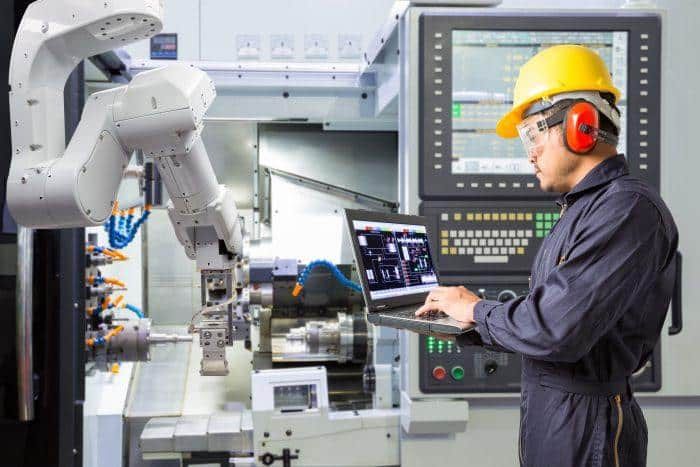
You do not need a sensor network to begin. Runtime counters on critical drives, periodic thermal checks on power supplies and cabinets, current signature comparisons on motors, and simple vibration checks on rotating equipment catch a large share of developing failures. Modern controllers log a great deal of this already; the work is deciding to look at it on a schedule and recording the trend, not buying new infrastructure.
What to watch first in an automation cabinet
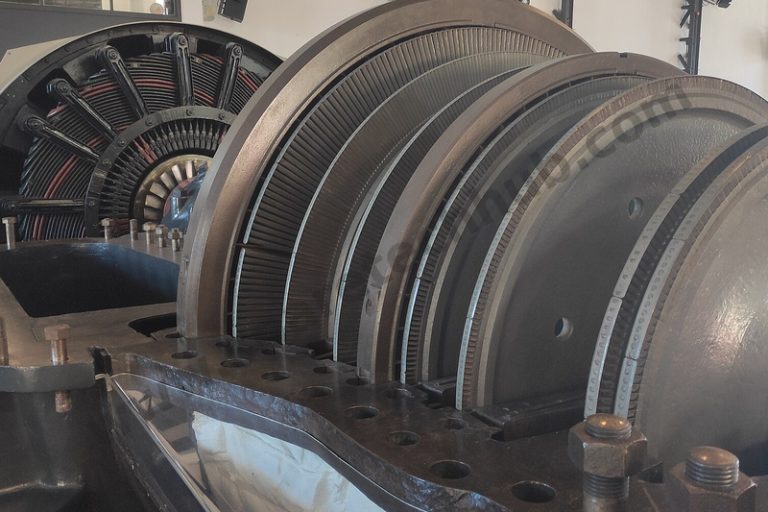
Bently Nevada’s sensing portfolio — the reference point for machinery protection — monitors exactly four first-order parameters on rotating equipment: vibration, position, speed and temperature (Bently Nevada sensing). A small plant does not need their class of hardware to start, but the priority order is the same: rotating-element vibration first, then thermal drift, then position and speed.
| Object | Signal to watch | Trigger action |
|---|---|---|
| Power supplies | Output voltage drift, cabinet temperature trend | Schedule replacement when drift leaves the band — do not wait for failure |
| Drive and controller fans | Accumulated runtime (already in controller logs) | Rotate as a batch at life expectancy, not one at a time |
| Memory and safety batteries | Calendar age, not voltage readings | Replace on schedule — a 1756-BA2 is rated 3 years at two power cycles a day but only 10 months on a 16 MB project cycled three times (ControlLogix takes different batteries by series: 1756-BA1 vs 1756-BA2) |
| Filter mats and enclosure seals | Visual dust and pressure check | Clean on interval — thermal problems usually start here |
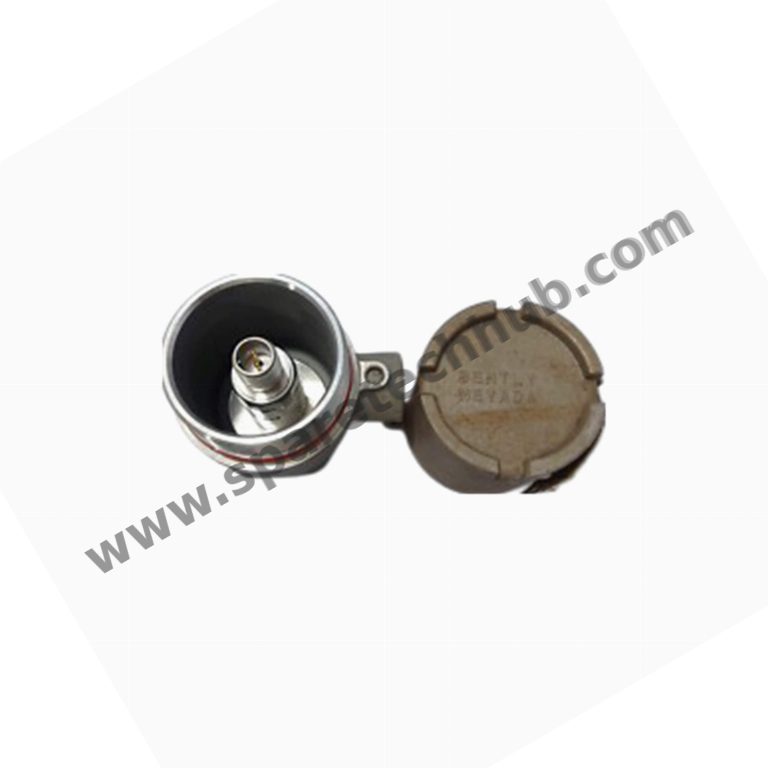
Vibration needs a number, not a feeling. ISO 10816-3 sets the long-term limit for a 15–300 kW machine on a rigid base at 2.8 mm/s RMS, the damage warning at 4.5 mm/s, and 7.1 mm/s for machines above 300 kW. For reference, a Bently 3300 XL 8 mm probe resolves shaft movement at 7.87 mV/µm (200 mV/mil) over a 2 mm linear range — you do not need that resolution to catch a trend, but it shows how small the early signal is.
How do you turn a trend into a maintenance decision?
A trend only matters when it has an owner and a threshold. Assign each monitored item a simple rule: a measurement, a limit, and an action. When the rule trips, the response is a planned replacement with a verified spare already on the shelf, which is exactly where a disciplined stocking strategy connects to monitoring. The two practices compound: monitoring tells you what to stock, and stocked spares make early warnings cheap to act on.
Start with one cabinet and one shift. Most teams find the first avoided unplanned stop covers the effort of the entire program, and the habit spreads from there on its own.
Frequently asked questions
Which parameters should be monitored first in an automation cabinet?
Power-supply voltage drift, fan runtime hours, calendar age of memory and safety batteries, and filter-mat condition — all four are readable without buying new sensors.
How do you turn a vibration trend into a maintenance decision?
Give every trend an owner, a limit and an action: measurement, threshold, planned replacement with a verified spare already on the shelf.
How long does condition monitoring take to pay for itself?
Most teams find the first avoided unplanned stop covers the entire year’s effort; the habit then spreads across cabinets on its own.
Bottom line
Condition monitoring pays when it starts before the failure, not after — a year of tracked data is usually enough to argue for itself.
-768x768.jpg)